

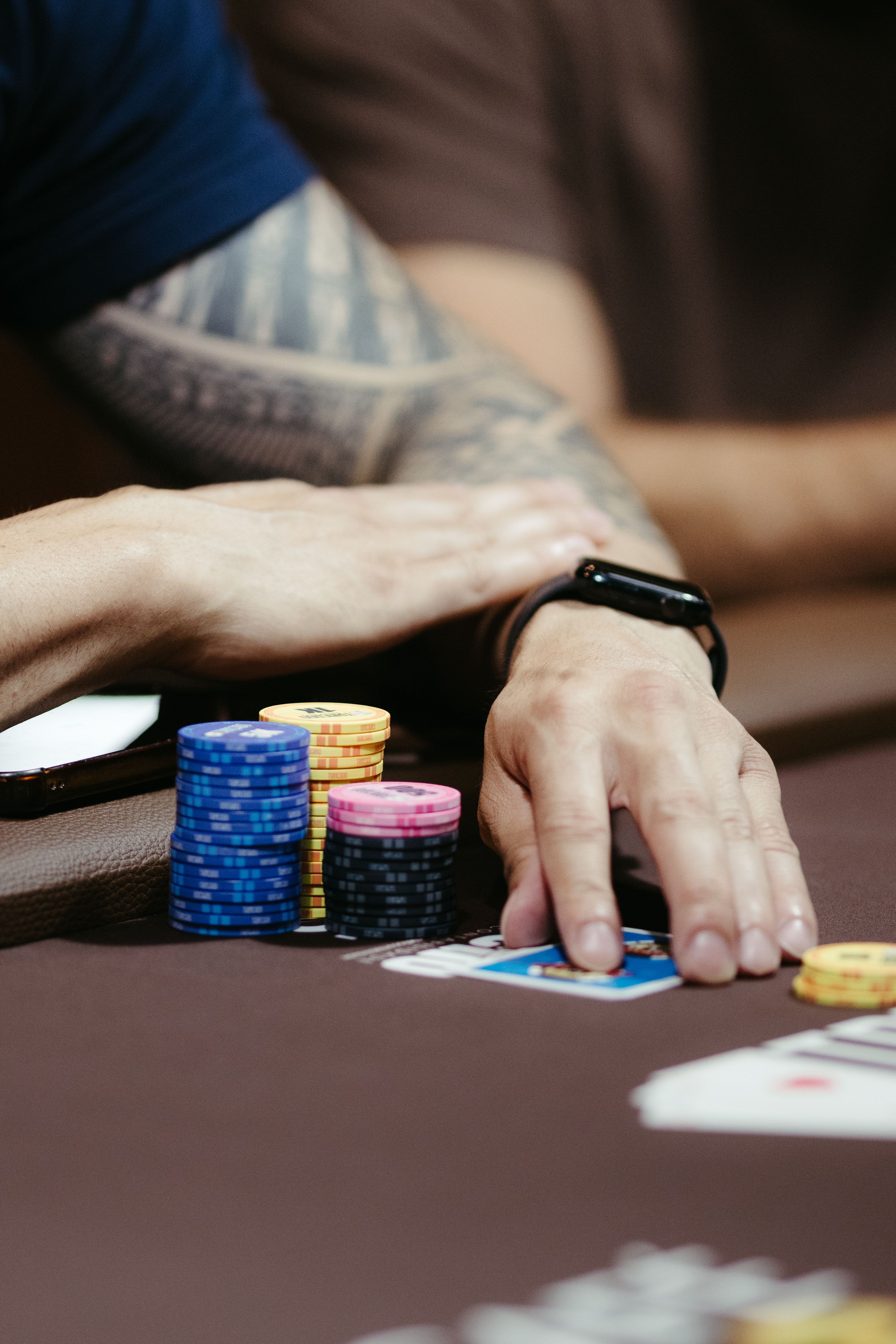
I have spent numerous hours at digital felt tables, and I can tell you that casino poker variants fill a unique space between randomness and deep strategy. Unlike slots where you press a button and pray, these games reward awareness, composure, and strategic choices. At Onedun Casino, the poker-style section stretches far beyond classic Texas Hold’em, including Caribbean Stud, Three Card Poker, Casino Hold’em, and video poker variants that each require a unique approach. What interests me is how the identical basic principles of choosing hands and position manifest variously across these formats. The house edge changes significantly based on your actions, not just your fortune. Grasping the do’s and don’ts I am about to reveal will not promise wins, but it will surely shield your bankroll from the most typical and costly mistakes I see players commit every solitary session.
Refrain from Chase Side Bets Unless You Calculate the Cost
Side bets are the alluring lure of casino poker style games, and I have seen them devastate bankrolls faster than any rough stretch of main bets ever could. The Pair Plus bet in Three Card Poker comes with a house edge of around 7.28% on standard pay tables, which is in excess of triple the cost of the ante-play combination. In Caribbean Stud, the progressive jackpot side bet often goes beyond a 15% house edge, and some versions climb past 25% depending on the jackpot seeding and contribution rates. I am not claiming you should never play a side bet, but you must enter with your eyes open. If you appreciate the lottery-like thrill of chasing a big payout, set aside a specific, small portion of your session budget to side bets and consider it an entertainment expense you are fully prepared to lose entirely.
The mathematics becomes even more brutal when you play multiple side bets simultaneously. I have witnessed players at Onedun Casino piling on the Pair Plus, the Six Card Bonus, and the ante-play on a single Three Card Poker hand, effectively increasing threefold their per-round cost while dramatically lowering their overall RTP. What feels like a small extra wager mounts with brutal efficiency over a two-hour session. My personal approach is to concentrate solely on the main game bet and occasionally dedicate one side bet unit when the jackpot has grown unusually large, creating a temporary positive expectation scenario. Those moments are rare, and I check the numbers before acting. For everyday play, sticking to the core game keeps my bankroll intact far longer and provides me with more opportunities to hit natural winning streaks on the fairer bets.
Do Leverage Promotions and Loyalty Benefits Strategically
Casino poker style games often contribute differently to wagering requirements and loyalty point accumulation relative to slots. I always check the terms before playing because some operators omit certain video poker titles from bonus wagering fully or weight them at a reduced percentage. A common structure I encounter is slots contributing one hundred percent toward wagering requirements while table games and video poker contribute only ten or twenty percent. That significantly changes the mathematics of clearing a bonus, and playing the wrong game can leave you toiling through an impossible volume of hands. I calculate the effective value of a promotion based on the specific game I intend to play, factoring in both the contribution rate and the game’s inherent RTP.
Loyalty programs and cashback offers can significantly improve your total return if you comprehend how they work. A casino offering 0.1% cashback on poker style game play essentially reduces the house edge by that amount, which may not sound significant but accumulates over months of regular play. I monitor my play across sessions to ensure I am receiving the benefits I have earned, and I read the terms carefully for any caps or exclusions. Some loyalty schemes tier your rewards based on game type, with video poker earning points at a slower rate than slots. At Onedun Casino, the promotions page clearly displays the contribution weightings for each game category, and I develop a routine of reviewing this information whenever a new bonus appears. The five minutes spent reading terms and conditions often spares hours of frustration and wasted wagering later.
Grasping Wagering Contribution Percentages
Wagering contribution is the percentage of each bet that counts toward clearing a bonus requirement, and misunderstanding it is one of the costliest errors I see. A bonus with a thirty-five times wagering requirement sounds manageable until you discover that your preferred video poker game contributes only ten percent. Suddenly your effective wagering requirement becomes three hundred and fifty times the bonus amount, which is mathematically nearly impossible to clear profitably. I always multiply the stated wagering requirement by the inverse of the contribution percentage to find the true requirement for my chosen game. If a game contributes twenty percent, divide the stated requirement by 0.2 to get the real figure. This simple calculation has saved me from accepting bonuses that were structurally impossible to complete with my preferred poker style games.
Do Pick Games That Match Your Session Goals
Not all poker style games serve the same purpose, and I pick differently depending on what I need from a session. When my goal is maximum playing time from a fixed budget, I lean toward video poker with a full pay table and low volatility. Jacks or Better offers frequent small wins that keep my balance ticking over, with the occasional four-of-a-kind providing a genuine thrill. If I am in the mood for higher drama and bigger potential payouts, Three Card Poker presents more variance because the dealer qualifies less frequently and the straight flush and three-of-a-kind payouts are substantial relative to the ante. Caribbean Stud stands somewhere in the middle, with the progressive jackpot adding a layer of excitement for players who appreciate the possibility of a life-changing score.
I also take into account the tempo of play when picking a game. Video poker enables me to play at my own pace, pausing to think through complex hold decisions without pressure from a dealer or other players. Table game options like Casino Hold’em and Three Card Poker move at a faster rhythm, which some players find more exciting but which also accelerates your exposure to the house edge. A faster game with the same RTP will use up your bankroll more swiftly simply because you are finishing more hands per hour. I incorporate this into my session planning by reducing my unit size for faster games or defining a shorter time limit. At Onedun Casino, the digital format enables me to control the pace completely, and I often alternate between faster and slower titles to maintain focus throughout a longer session.
Risk and Gaming Length Aspects
Risk level is the professional term for how much your balance moves during a session, and it directly impacts how long your bankroll survives. Low volatility games like full-pay Jacks or Better deliver frequent small wins that lengthen your playing time but seldom deliver massive single-hand payouts. High volatility options like Caribbean Stud with the progressive side bet can exhaust your balance quickly during cold streaks but present the enticing possibility of a jackpot that alters everything. I match volatility to my session length: for a quick thirty-minute session, I might choose higher volatility because I am mentally prepared to lose my entire buy-in quickly. For a relaxed two-hour evening of play, I go with lower volatility titles that give me more hands and more entertainment value per pound wagered.
Don’t Overlook the Value of Bankroll Management
Bankroll management is the understated foundation that every skilled casino poker style game player eventually comes to respect. I calculate my session bankroll based on the game’s volatility and my projected number of hands. For Three Card Poker, I take at least forty ante units to endure the natural swings without going broke on a cold run. Video poker demands even deeper pockets because the royal flush represents a substantial portion of the game’s total return, and you might play tens of thousands of hands without hitting one. I define a loss limit before I start, typically fifty percent of my session bankroll, and I walk away when I hit it regardless of how convinced I am that the next hand will turn things around. That walking away part is the hardest skill to develop, and it took me years to execute it consistently.
Similarly important is defining a win goal and adhering to it. I have lost count of the sessions where I was up substantially, kept playing because I felt invincible, and eventually gave everything back plus more. A practical win goal might be fifty to one hundred percent of your session bankroll. When I hit that threshold, I either end the session entirely or bank my profits and continue playing with only my original buy-in. The psychological trap is thinking that a winning session means you are playing well and should continue, when in reality the house edge continues grinding away irrespective of your short-term results. At Onedun Casino, I can set deposit limits and session time reminders that act as external guardrails when my internal discipline wavers, and I utilize these tools proactively rather than waiting until I need them.
Don’t Allow Emotions Determine Your Bet Sizing
Tilt is a poker term for emotional decision-making, and it applies just as viciously to casino poker style games. I have experienced the urge to double my bet after a frustrating run of folds, certain that a big hand must be due. The cards have no memory, and the deck does not owe you a payout. What actually happens when you boost your bet size in response to losses is that you speed up your exposure to the house edge precisely when your bankroll is already diminished. I set a strict unit size before each session, typically one to two percent of my total session budget per hand, and I do not deviate regardless of whether I am up or down. That discipline has protected me from catastrophic sessions more times than any brilliant strategic insight ever could.
The flip side of tilt is overconfidence during a winning streak. I have seen players gradually increase their bets as they win, only to give back all their profits and more when the inevitable correction arrives. There is a psychological phenomenon called the hot hand fallacy that makes you believe you your winning streak reflects skill rather than variance. In games with a fixed house edge, no streak changes the underlying mathematics. I treat every hand as an independent event and keep my bet sizing consistent. If I want to increase my action, I do it by playing a higher volatility game at the same unit size rather than inflating my bet on the current game. At Onedun Casino, the range of table limits across different poker style titles gives me flexibility to adjust my exposure without abandoning my bet sizing discipline.
Learn Core Strategy Before Playing for Real Money
Entering a casino poker style game without knowing the basic strategy is akin to driving a car without knowing the pedals. You could get somewhere, but the journey will prove expensive and embarrassing. For Three Card Poker, the strategy is remarkably straightforward: make the play bet when you have Queen-6-4 or higher, and fold anything weaker. That single rule addresses the vast majority of decisions and keeps the house edge at its theoretical minimum. Caribbean Stud calls for a slightly more nuanced approach, prompting you to raise with Ace-King-Jack-8-4 or better and fold weaker Ace-King combinations. I hold a mental checklist of these threshold hands since they appear frequently enough that forgetting them immediately costs you money. The difference between raising with the correct Ace-King hand and folding a marginal one builds significantly over time.
Video poker strategy is an totally different beast, with optimal play charts running to dozens of specific hold decisions depending on your dealt hand and the pay table. I started by memorizing the most common scenarios: always hold a dealt royal flush or straight flush, break a high pair to draw to a royal flush in most variants, and never hold a kicker with a high pair in Jacks or Better. The intermediate decisions around three-card straight flush draws versus high card holds took me weeks of practice to absorb. What helped immensely was using free play modes to drill these decisions without financial pressure. At Onedun Casino, I can switch between real money and practice modes seamlessly, which allows me to test strategy adjustments before committing actual funds. I still occasionally consult a strategy card on my phone for obscure video poker situations, and there is absolutely no shame in doing so.
Typical Strategy Mistakes I Encounter Regularly
I have observed certain errors occur across players of all experience levels. The most costly mistake in Three Card Poker is folding too many hands, particularly marginal Queen-high and Jack-high holdings that should trigger a play bet. Players instinctively want to protect their ante, but folding a hand that meets the raising threshold actually boosts your long-term losses because you surrender the ante unnecessarily. In Caribbean Stud, the classic blunder is raising with any Ace-King hand regardless of the kickers. The house edge on that approach climbs significantly above the optimal strategy figure. Video poker players frequently hold a high pair over a four-card flush draw, which is correct in Jacks or Better but wrong in Deuces Wild where the flush draw carries more expected value. I recommend recording your sessions and reviewing the hands where you felt uncertain afterwards.
- Folding qualifying hands in Three Card Poker out of excessive caution
- Betting weak Ace-King combinations in Caribbean Stud
- Keeping a kicker with a high pair in Jacks or Better video poker
- Overlooking four-card straight flush draws in favour of low pairs
- Making side bets at the same unit size as the main game bet
Do Understand the Specific House Edge of Individual Variant
Every casino poker style game carries a built-in mathematical advantage for the house, but the range is surprisingly wide. Caribbean Stud usually sits around a 5.2% house edge on the ante bet when played with optimal strategy, while Three Card Poker can drop as low as 2.01% on the ante-play combination if you follow the correct raising thresholds. Video poker variants like Jacks or Better can conceivably return over 99.5% with perfect play and the right pay table. I always check the exact pay table before committing real money, because two machines sitting side by side can offer significantly different returns. A 9/6 Jacks or Better machine returns 99.54%, while an 8/5 version drops to 97.3%. That gap might seem small on a single hand, but compounded over hundreds of decisions it becomes the difference between a sustainable session and a rapid drain on your funds.
The main point I want to communicate is that you must not treat all poker style games as the same. Casino Hold’em, for example, compels you to make a flop bet before seeing the turn and river, which basically changes the risk assessment compared to holding out for all community cards. The house edge on the main Casino Hold’em bet runs around 2.16%, but the optional AA bonus side bet can jump to over 6%. I treat it as a personal rule to understand exactly which bets are required and which are voluntary before I take a seat. The mandatory bets typically provide the best odds because they are the core product being offered. Side bets nearly always carry a higher house edge and serve primarily to produce additional revenue for the operator. At Onedun Casino, the game rules and pay tables are plainly presented within each title, and I suggest reviewing them thoroughly before placing a single chip.
Contrasting Return-to-Player Across Well-known Titles
When I assess a poker style game, return-to-player percentage is my primary metric. Caribbean Stud delivers approximately 94.8% RTP with optimal strategy, meaning the house retains about 5.2% of all ante bets over the long run. Three Card Poker increases significantly to roughly 97.99% on the ante-play combination, assuming you raise with Queen-6-4 or better and fold everything weaker. Video poker stands in a league of its own, with full-pay Deuces Wild reaching 100.76% when played perfectly, although such generous pay tables are increasingly rare. Casino Hold’em delivers around 97.84% RTP on the main game, which remains competitive but requires you to understand when to fold and when to call on the flop. I consider these percentages as a guide rather than a guarantee, since short-term variance can produce wild swings that have nothing to do with the mathematical expectation.
- Caribbean Stud Poker: approximately 94.8% RTP with optimal strategy
- Three Card Poker: approximately 97.99% RTP on ante-play (raise Q-6-4 or better)
- Casino Texas Hold’em: approximately 97.84% RTP on the main bet
- Full-pay Jacks or Better: up to 99.54% RTP
- Additional bets across all variants: typically below 95% RTP, often much lower
Do Not Overlook the Technical Configuration and Equipment Compatibility
The quality of your playing time depends heavily on the technical environment, and I have found to adjust mine through trial. A steady internet connection is non-negotiable because a drop during a hand can cause an automatic fold or a lost bet depending on the game’s rules. I play on a wired connection or a strong Wi-Fi signal, and I stay away from mobile data in areas with patchy coverage. Screen size matters more than most players recognise, notably for video poker where you have to clearly see card values and suits to make correct hold decisions. I favor a tablet or desktop for intense video poker sessions because the larger display minimizes the risk of misreading a card and making an pricey mistake.
At Onedun Casino, the site is constructed to operate seamlessly across desktop, tablet, and mobile devices without requiring a dedicated app download. I understand the adaptability of moving from my laptop during a concentrated evening session to my phone for a quick few hands during a commute. The games launch directly in the browser and the interface conforms sensibly to different screen sizes. I do advise testing any new device setup with a few practice hands before risking real money, simply to confirm that the touch targets are convenient and that you are not inadvertently triggering bets you did not plan. A mis-tap on a small phone screen that costs you a maximum bet is an completely avoidable loss, and I share from painful experience on that point.
Payment processing forums.overclockers.co.uk is another technical consideration that directly influences your poker style game rounds. Deposit speed determines how rapidly you can capitalize on a favourable promotion or a sudden urge to play, while withdrawal processing times influence how long you wait to access your winnings. I look for casinos that offer instant deposits via debit card, e-wallets, or bank transfer, and I check the withdrawal timeframes before I commit significant funds. Standard e-wallet withdrawals are processed within twenty-four hours, while bank transfers and card withdrawals can require three to five business days. At Onedun Casino, the banking page displays the available methods and their respective processing windows, and I monitor this information periodically because payment provider policies can be updated. Possessing multiple verified payment methods linked to my account offers me flexibility and ensures I am never excluded from a session due to a single processor experiencing issues.